

If you are launching a lash brand, expanding a salon business, or sourcing eyelash extensions for wholesale, one of your first decisions is whether to work directly with an eyelash extension manufacturer or buy from a supplier.
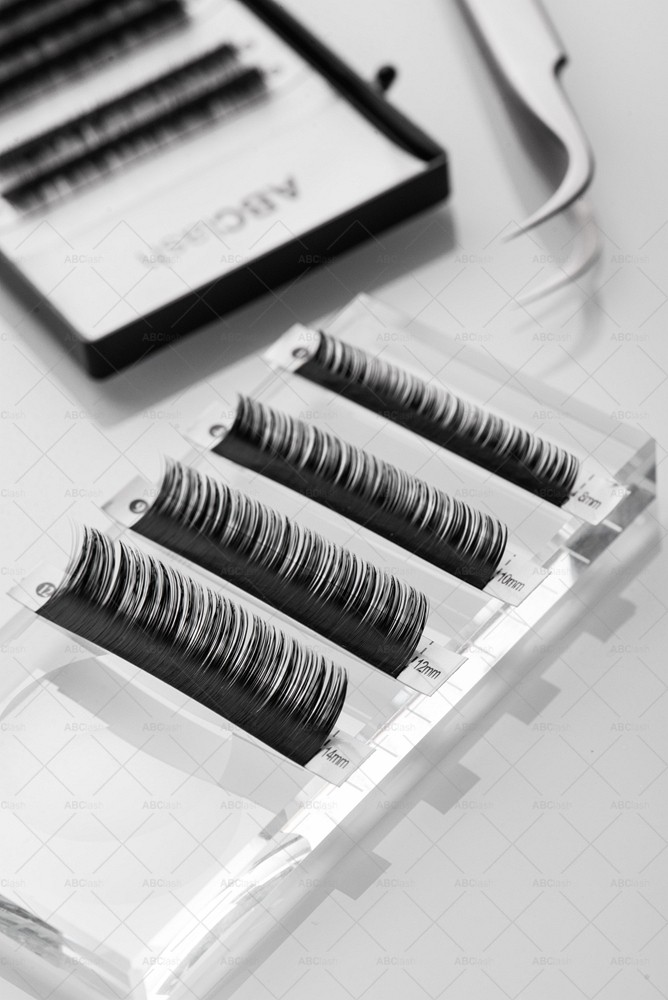
The terms are often used interchangeably, but they do not always describe the same business model. A manufacturer generally makes products or manages production, while a supplier is a broader term that can include manufacturers, trading companies, distributors, and wholesalers.
The right choice depends on your order volume, customization requirements, budget, and long-term business plans.
1. What Is an Eyelash Extension Manufacturer?
An eyelash extension manufacturer produces eyelash products or directly manages their production processes. Depending on its capabilities, a manufacturer may offer standard lash styles, customized specifications, private label packaging, or OEM/ODM services.
For brands developing their own product lines, working directly with a manufacturer may make it easier to discuss:
· Lash specifications, such as curl, length, diameter, and style.
· Product samples and approval before mass production.
· Custom labels, boxes, and packaging.
· Production schedules and quality inspection procedures.
· Reorder consistency and product specification records.
However, not every manufacturer offers every service. Always confirm which processes are performed in-house, which are outsourced, and what quality documentation is available.
2. What Is an Eyelash Extension Supplier?
An eyelash extension supplier is any business that provides eyelash products to customers. Suppliers can include factories, trading companies, distributors, and wholesale businesses.
A supplier that works with multiple factories may offer a wider product selection or simplify purchasing across different product categories. A specialist manufacturer may be better suited to projects that require direct discussion of production specifications.
A supplier is not automatically less reliable than a manufacturer. The important question is whether the business can consistently meet your product, documentation, communication, and delivery requirements.
3. Manufacturer vs. Supplier: Key Differences
Comparison | Direct manufacturer | Trading or wholesale supplier |
Production access | Usually direct access to production teams | Depends on factory relationships |
Customization | May support detailed OEM/ODM requirements | Depends on its partner factories |
Quality control | May manage production inspections directly | May coordinate inspections with factories |
Product selection | Depends on its own capabilities | May offer products from multiple sources |
Communication | Production details may be easier to clarify | May simplify sourcing and coordination |
Pricing | Potential to reduce intermediary costs | Pricing includes the supplier's service and sourcing model |
Best fit | Custom products and repeatable specifications | Consolidated sourcing and broad product selection |
These are general tendencies, not guarantees. A well-managed supplier may offer excellent quality control, while a factory may still have weaknesses in communication or consistency.
4. Why Consider Working Directly with a Manufacturer?
More control over product specifications
If your brand needs a specific curl, length combination, fiber appearance, tray format, or packaging design, direct communication with the production team can help reduce misunderstandings.
A clearer quality-control process
Ask how incoming materials, in-process production, finished products, and packaging are inspected. Request written specifications and sample approval records so that both parties share the same expectations.
Better visibility into costs
A factory-direct quotation may reduce intermediary costs, but the lowest unit price does not necessarily mean the lowest total cost. Sampling, custom packaging, shipping, duties, defect rates, and minimum order quantities all affect the final economics.
Easier coordination for repeat orders
If your best-selling styles need to remain consistent, ask the manufacturer to document approved samples, specifications, packaging artwork, and batch identification procedures.
5. When Is a Supplier the Better Choice?
A supplier may be a practical option if you:
· Need products from several manufacturers in one shipment.
· Want to test a small range before committing to a custom product.
· Prefer a single contact for different product categories.
· Need a sourcing partner that can coordinate production and logistics.
For a new salon or small brand, buying standard styles from a reliable supplier may be a sensible starting point. Once demand becomes more predictable, you can evaluate private label or OEM manufacturing.
6. How to Choose the Right Eyelash Extension Partner
Before placing a bulk order, use this checklist:
Verify the business model. Ask whether the company manufactures the product, outsources production, or combines both.
Request samples. Evaluate the product against written specifications rather than appearance alone.
Confirm MOQ and lead time. Ask whether minimums apply per style, size, packaging design, or order.
Ask about quality control. Find out how defects are identified, recorded, and handled.
Review customization capabilities. Confirm exactly which product and packaging elements can be changed.
Clarify documentation and compliance. Requirements depend on the product and destination market. Request relevant, current documents rather than relying on general claims.
Agree on the approval process. Confirm the sample, specifications, artwork, price, delivery terms, and acceptable quality criteria before production.
7. Build a Lash Product Line with the Right Partner
The best partner is not simply the company calling itself a factory or supplier. It is the business that can meet your specifications, provide transparent communication, maintain agreed quality standards, and support your expected order volumes.
If you are evaluating customized lash products, private label packaging, or long-term supply cooperation, we welcome you to contact Aphrodite's professional sales team. With more than ten years of experience in false eyelash manufacturing, Aphrodite supports in-depth OEM/ODM customization services and can help you find a cooperation solution that fits your brand's needs. For more information and to discuss specific requirements, please contact: [email protected].
Frequently Asked Questions
Q: Is an eyelash extension manufacturer always cheaper than a supplier?
A: No. Direct purchasing may reduce intermediary costs, but actual pricing depends on order volume, customization, packaging, shipping, and service requirements.
Q: Can a supplier provide private label eyelash extensions?
A: Yes. Some suppliers coordinate private label services through manufacturing partners. Confirm who controls production, approves samples, and handles quality issues.
Q: What should I ask an eyelash extension manufacturer before ordering?
A: Ask about specifications, sample procedures, MOQ, lead time, quality inspection, packaging, documentation, payment terms, and the process for handling defects.
Q: Should a new lash brand choose a manufacturer or supplier?
A: Start with your goals. Standard products and flexible sourcing may suit a supplier relationship; custom specifications and long-term product consistency may justify working directly with a manufacturer.

