

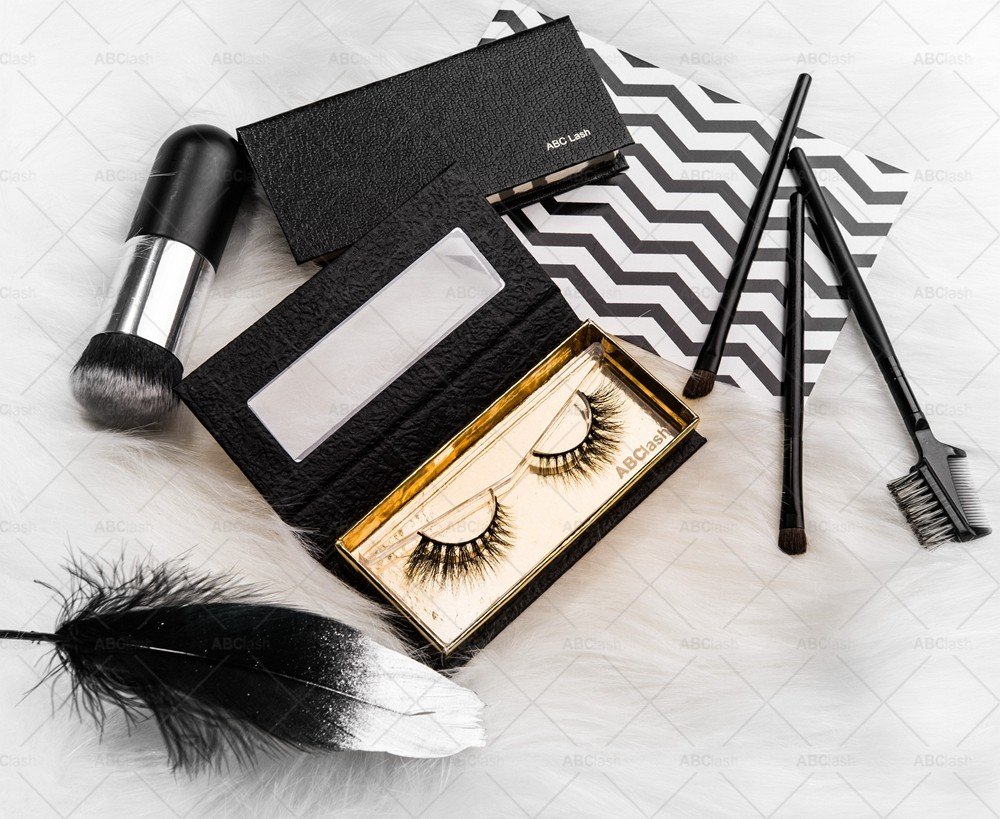
DIY lashes can be an appealing option if you want to create a customized lash look at home. But are DIY lash extensions safe?
The answer depends on the product, adhesive, application method, and your individual sensitivity. Products designed for at-home use are not necessarily risk-free, especially when they are applied close to the eyes.
It is also important to distinguish DIY lash clusters and strip lashes from professional eyelash extensions. They may use different adhesives, application methods, and wear instructions. Never assume that a product or adhesive designed for one system is suitable for another.
The U.S. Food and Drug Administration (FDA) treats false eyelashes, eyelash extensions, and their adhesives as cosmetic products and advises consumers to check ingredients and stop using eye cosmetics that cause irritation. Read the FDA's eye cosmetic safety guidance
What Are DIY Lashes?
DIY lashes are lash products intended to be applied by the consumer rather than exclusively by a professional lash technician. Depending on the product, they may include:
Strip lashes: A strip of lashes attached along a band.
Lash clusters: Small groups of lashes applied to selected areas.
At-home lash extension systems: Products designed to create a more extension-like look, with specific application and wear instructions.
These products are not interchangeable. Some are intended for short-term wear, while others have different application or removal requirements. Always follow the instructions provided for the exact product you are using.
What Are the Main Safety Risks?
Adhesive irritation or allergic reactions
Some people may react to ingredients in lash adhesives or other eye-area cosmetics. Symptoms can include itching, redness, swelling, watering, or discomfort.
Check the ingredient information before use. If a product causes irritation, stop using it. If symptoms persist or worsen, seek medical advice.
Eye injury during application
Tweezers, applicators, lash bands, and other tools can accidentally touch the eye. Poor visibility, rushing, or applying products too close to the eye can increase the risk of injury.
Apply lashes in a well-lit space, keep tools under control, and avoid applying products while moving, distracted, or unable to see clearly.
Infection or contamination
Products and tools that are contaminated may contribute to eye-area problems. Sharing eye cosmetics, using dirty applicators, or continuing to use products with changed appearance or odor can increase avoidable risks.
Wash your hands before application, keep tools clean according to their instructions, and do not share eye cosmetics.
Natural lash breakage or pulling
Improper application, heavy clusters, repeated pulling, or forceful removal may stress natural lashes. Avoid pulling products off when they resist removal, and never use a removal method that is not approved for your lash system.
How to Apply DIY Lashes More Carefully
Use this checklist before applying your lashes:
Read the full instructions. Confirm whether the product is designed for strip lashes, clusters, or another system.
Check the adhesive. Use only the adhesive specified for that product. Do not substitute professional extension adhesive for consumer lash glue.
Inspect the product. Do not use products with damaged packaging, unclear instructions, or signs of contamination.
Wash your hands and prepare clean tools. Avoid sharing applicators or eye cosmetics.
Keep products out of the eye. Follow the manufacturer's placement instructions and avoid contact with the eyeball or inner eye.
Do not apply to irritated eyes or skin. Wait until the area has recovered and seek advice if symptoms are unexplained.
Follow the wear-time instructions. Do not extend the recommended wear time or add products that the system does not specify.
These steps can help reduce avoidable risks, but they cannot guarantee that a product will be suitable for every person.
How Should You Remove DIY Lashes?
Removal is an important part of lash care. Pulling, peeling, or tugging at lashes can damage natural lashes or irritate the eyelid.
Follow the removal method specified for your exact product.
Use only a remover compatible with the lash and adhesive system.
Do not force a cluster or strip lash off if it is stuck.
Avoid getting remover into your eyes.
If removal causes pain, significant irritation, or difficulty opening your eyes, stop and seek professional or medical advice as appropriate.
Do not assume that an at-home lash cluster adhesive can be removed in the same way as professional extension adhesive.
When Should You Stop Using DIY Lashes?
Stop using the product if you experience redness, itching, burning, swelling, or other irritation. Do not apply more adhesive to cover up a problem.
Seek prompt medical care if you have eye pain, significant swelling, vision changes, marked sensitivity to light, or symptoms that are severe or worsening. If a product enters your eye, follow its safety instructions and seek medical guidance when needed.
If you have a history of reactions to eye cosmetics or a current eye condition, ask a healthcare professional whether DIY lash products are appropriate for you.
How to Choose a DIY Lash Product
Before purchasing, check:
Whether the product is intended for at-home use.
Clear application, wear-time, and removal instructions.
Ingredient and warning information for the adhesive.
Packaging integrity and product traceability.
Whether the product is appropriate for your intended use and market.
Do not rely on phrases such as “gentle,” “natural,” or “professional quality” alone as proof of safety. Product suitability depends on the formulation, instructions, and individual user.
If you have any questions about choosing the right lash style or how to apply them, we recommend reaching out to Aphrodite’s professional sales team for a one-on-one consultation. They can suggest the perfect style based on your eye shape, the occasion, and your personal preferences, while also providing detailed application guidance and after-sales support to ensure you have the best possible DIY lash experience.
Frequently Asked Questions
Are DIY lash clusters safe for beginners?
They may be manageable for some users when the product is designed for at-home use and the instructions are followed. However, incorrect placement, adhesive reactions, and removal mistakes can still cause problems.
Can I use professional eyelash extension glue for DIY lashes?
Do not substitute professional extension adhesive unless the product manufacturer explicitly specifies that it is suitable for your exact DIY system. Different adhesives may have different intended uses and application requirements.
Can DIY lashes damage natural lashes?
Yes, improper application, excessive weight, repeated pulling, and forceful removal can contribute to breakage or lash loss.
What should I do if my eyes become red or itchy?
Stop using the product. If symptoms persist, worsen, or involve pain or vision changes, seek medical care.

