

Starting a lash brand involves more than choosing attractive products. You also need to decide how those products will be developed, manufactured, packaged, and sold under your brand name.
Three terms often appear during supplier discussions: private label, OEM, and ODM. They are related, but they describe different aspects of the process.
The simplest way to understand them is:
Private label focuses on selling products under your own brand.
OEM generally means manufacturing products according to your specifications.
ODM generally means selecting or adapting products designed or developed by the manufacturer.
The exact scope varies by manufacturer, so confirm the services included in each quotation.
What Is Private Label for Lashes?
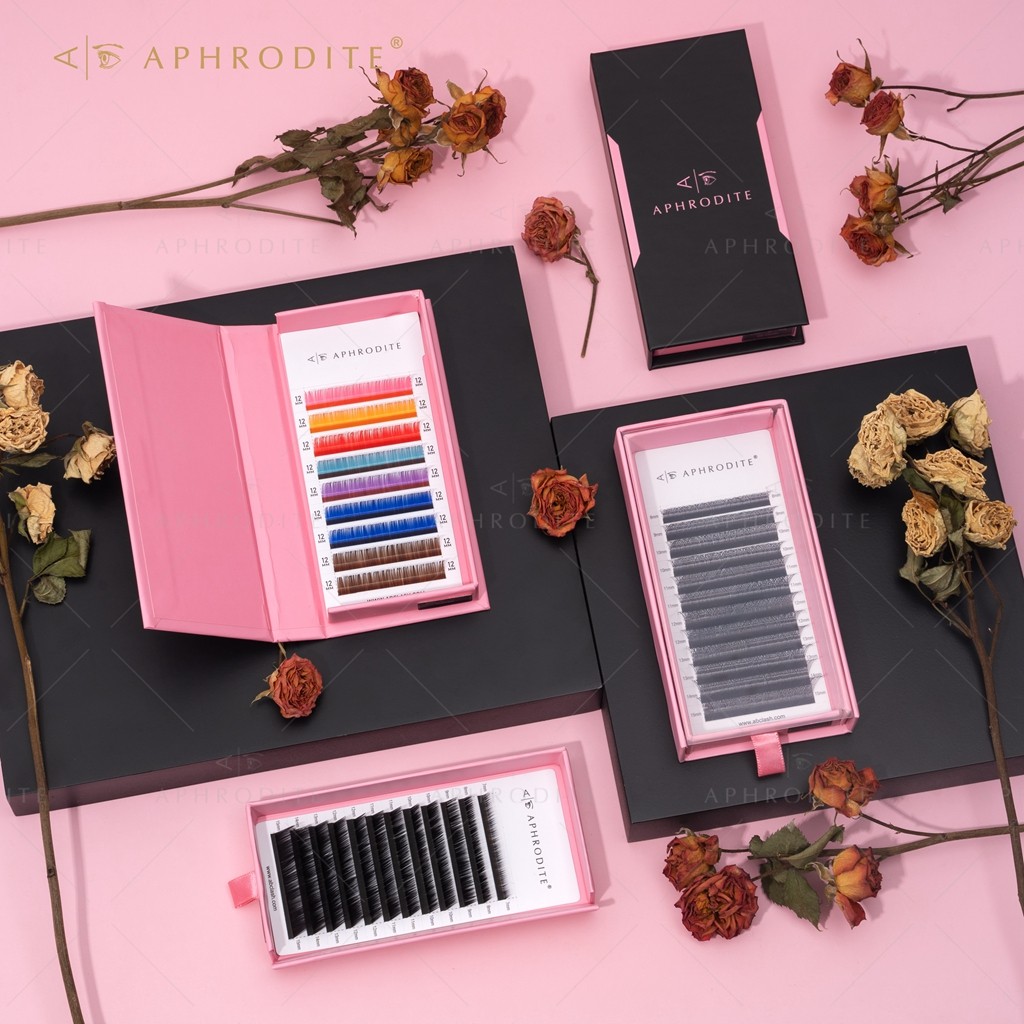
Private label means selling products under your own brand name. Depending on the service, you may choose an existing lash style and customize the logo, labels, or packaging. Some programs also offer additional product customization.
Private label can suit:
New beauty brands testing market demand.
Salons that want to sell branded products to clients.
Retailers and e-commerce businesses building a product range.
Established brands that need consistent branded packaging.
Example: You select an existing lash style, provide your logo and packaging artwork, approve a sample, and sell the finished product under your own brand.
Private label does not automatically mean that the product design is exclusive to you. If exclusivity matters, discuss it in writing.
What Is OEM Lash Manufacturing?
OEM stands for Original Equipment Manufacturer. In the lash industry, the term commonly refers to manufacturing products according to the buyer's agreed specifications.
Depending on the factory's capabilities, specifications may cover:
Lash style, curl, length, or diameter.
Tray format and product presentation.
Packaging materials, dimensions, and artwork.
Other agreed product characteristics.
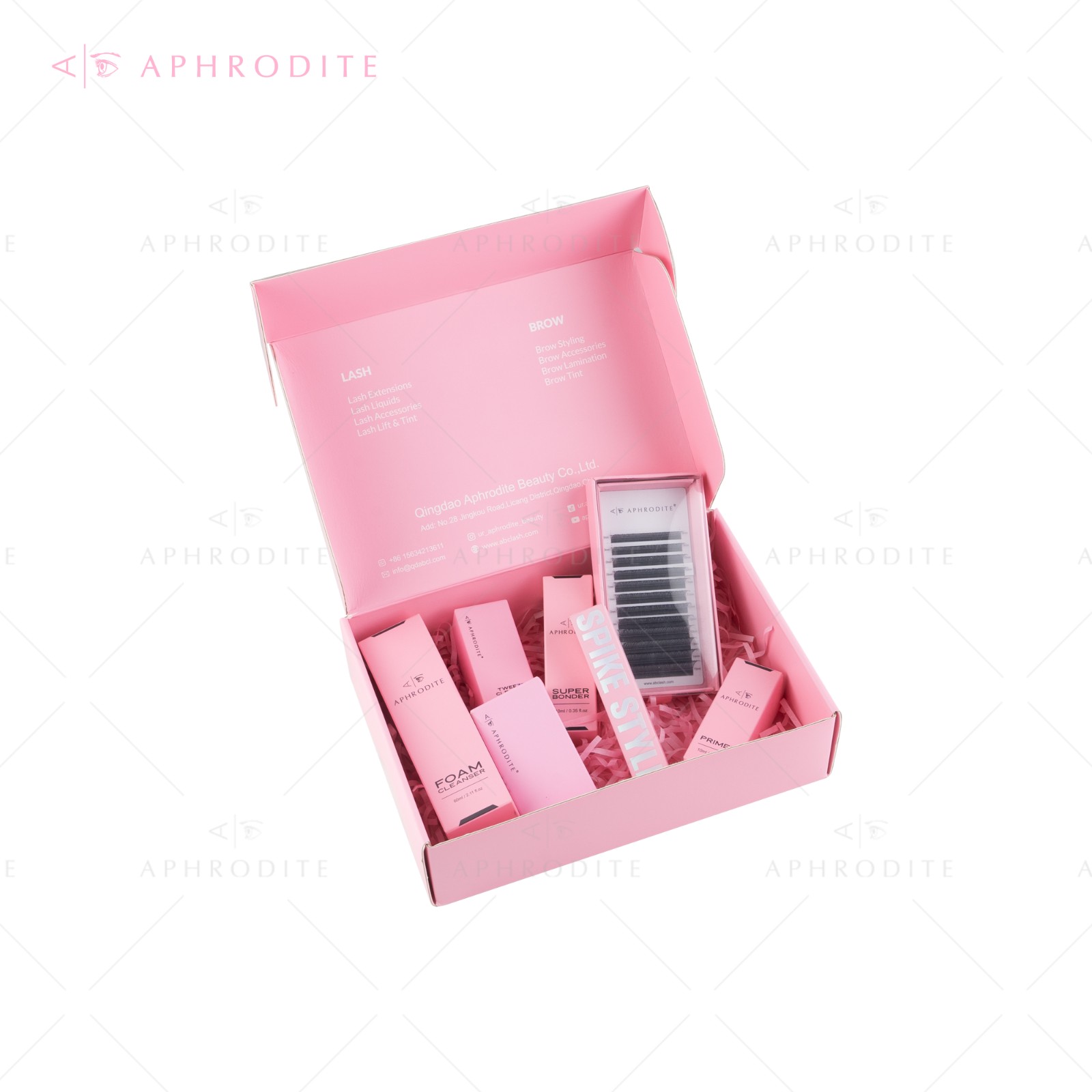
OEM may suit brands that already understand their customers and want to develop a recognizable product line.
The trade-offs can include more sampling, more decisions, higher development costs, or larger minimum orders. These are project-dependent, so request a detailed quotation rather than assuming every OEM project has the same requirements.
What Is ODM Lash Manufacturing?
ODM stands for Original Design Manufacturer. Under an ODM model, the manufacturer offers products it has already designed or developed. You select an appropriate option and may customize branding or packaging, depending on the service.
ODM may suit businesses that want to launch sooner, test several styles, or avoid developing every product from scratch.
Before choosing ODM, ask whether the selected design is available to other customers, what modifications are allowed, and whether any exclusivity terms apply.
Private Label vs. OEM vs. ODM: Comparison
Factor | Private label | OEM | ODM |
Main focus | Your brand identity | Your product specifications | Manufacturer-developed designs |
Product starting point | Often an existing product | Buyer-defined requirements | Existing manufacturer design |
Customization | Branding and packaging; sometimes more | Based on agreed specifications | Usually selection and agreed modifications |
Development workload | Low to moderate | Often higher | Often lower |
Launch planning | Depends on product and packaging | Requires time for specification and sampling | May be faster if a suitable design is ready |
Differentiation | Depends on product and branding | Potentially strong | Depends on design availability and customization |
Best fit | Brands building a branded range | Brands with a clear product brief | Brands testing demand or launching efficiently |
These models can overlap. Private label is a branding approach, while OEM and ODM describe manufacturing and product-development approaches. A product can be both private label and OEM, or private label and ODM.
Which Model Fits Your Business Stage?
If you are a startup
Consider starting with a proven product and private label packaging, or an ODM option that meets your needs. This can help you test customer response before investing heavily in new product development.
Start with a focused range rather than ordering too many styles. Track which products generate repeat purchases and which receive the most useful customer feedback.
If you run a salon or lash studio
Choose a model based on how you plan to use the products. If you mainly need professional supplies, standard wholesale products may be enough. If you want to retail products under your salon's name, private label may help create a consistent brand experience.
If you need a distinctive style that supports your service positioning, discuss whether OEM development is realistic for your expected volume.
If you already have an established beauty brand
OEM may be worth evaluating when product specifications are central to your differentiation. ODM can still be useful for expanding your assortment or testing seasonal products.
A hybrid approach is also possible: use established designs for supporting products and invest in OEM development for a core product that defines your brand.
What Affects MOQ, Cost, and Lead Time?
Do not compare quotations by unit price alone. Ask each potential partner to itemize:
Product cost and order quantity.
Sample or development charges.
Logo printing, labels, and packaging costs.
Minimum order quantities by SKU and packaging type.
Sample approval and production lead time.
Shipping terms, freight, duties, and taxes where applicable.
Reorder conditions and how product consistency is maintained.
A standard product with custom branding may involve fewer development steps than a fully customized product. However, packaging choices and order quantities can still change the cost and timeline substantially.
A Practical Decision Checklist
Ask yourself these five questions:
1. Do I already know which lash styles my customers want?
2. Do I need a unique product specification, or is branding enough?
3. How much budget can I allocate to sampling and packaging?
4. How soon do I need to launch?
5. What order quantity can I realistically sell and reorder?
If you have limited market data, a simpler private label or ODM route may reduce initial complexity. If you have a proven concept and clear product specifications, OEM may be more suitable.
Discuss Your Private Label Lash Project
Before requesting a quote, prepare your target market, preferred lash styles, packaging ideas, estimated order quantities, and launch schedule.
If you are evaluating customized lash products, private label packaging, or long-term supply cooperation, we welcome you to contact Aphrodite's professional sales team. With more than ten years of experience in false eyelash manufacturing, Aphrodite supports in-depth OEM/ODM customization services and can help you find a cooperation solution that fits your brand's needs. For more information and to discuss specific requirements, please contact: [email protected].
Frequently Asked Questions
Q: Is private label the same as OEM?
A: No. Private label describes selling a product under your brand. OEM generally refers to manufacturing according to agreed specifications. One project can involve both.
Q: Is ODM always cheaper than OEM?
A: Not always. ODM may reduce development work when a suitable design already exists, but final cost depends on customization, packaging, MOQ, and other project details.
Q: Can a new lash brand use private label?
A: Yes. Private label can help new brands test a market with branded products, provided they confirm MOQ, packaging costs, and the terms for using the selected product design.
Q: Can I combine OEM and ODM?
A: Yes. A brand may use existing ODM designs for some products and commission OEM development for key styles. Confirm the scope, specifications, and commercial terms for each product.

